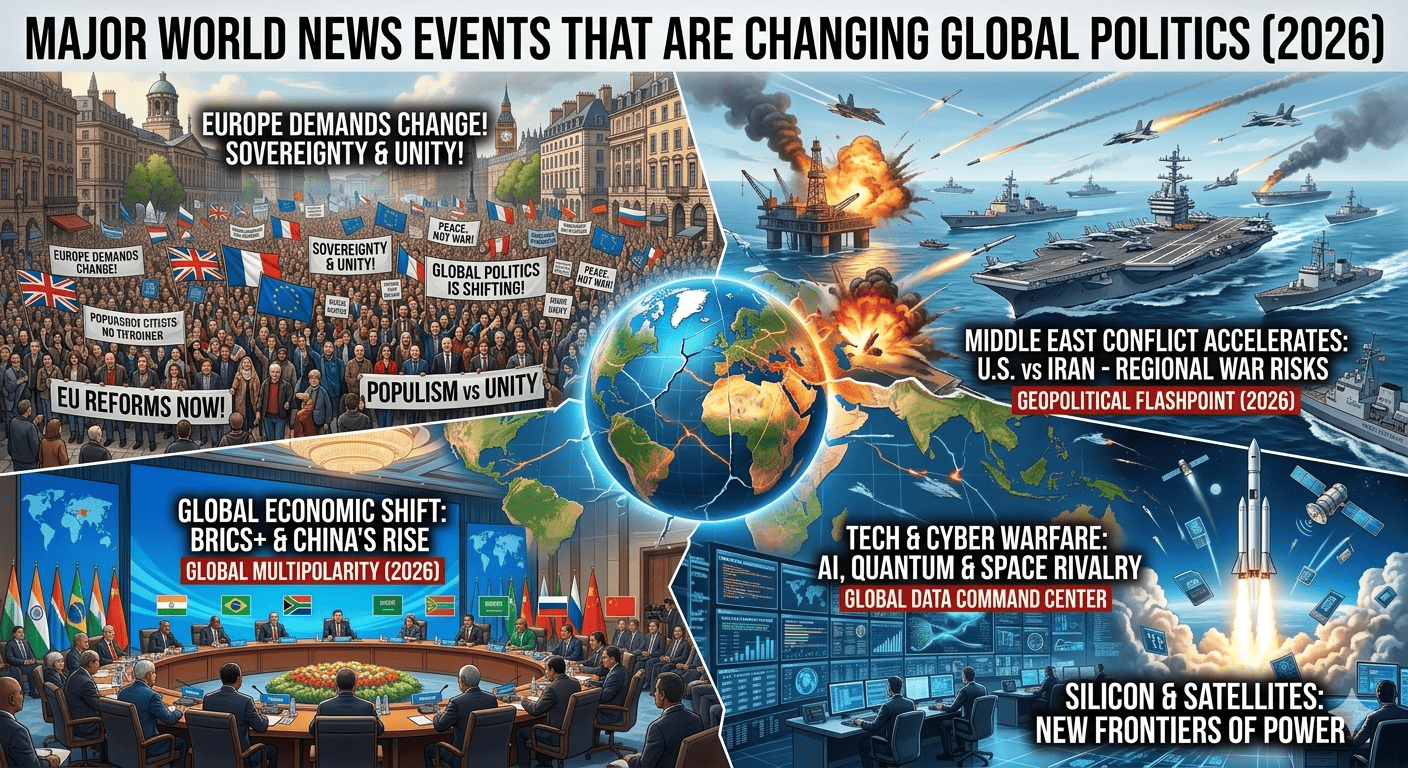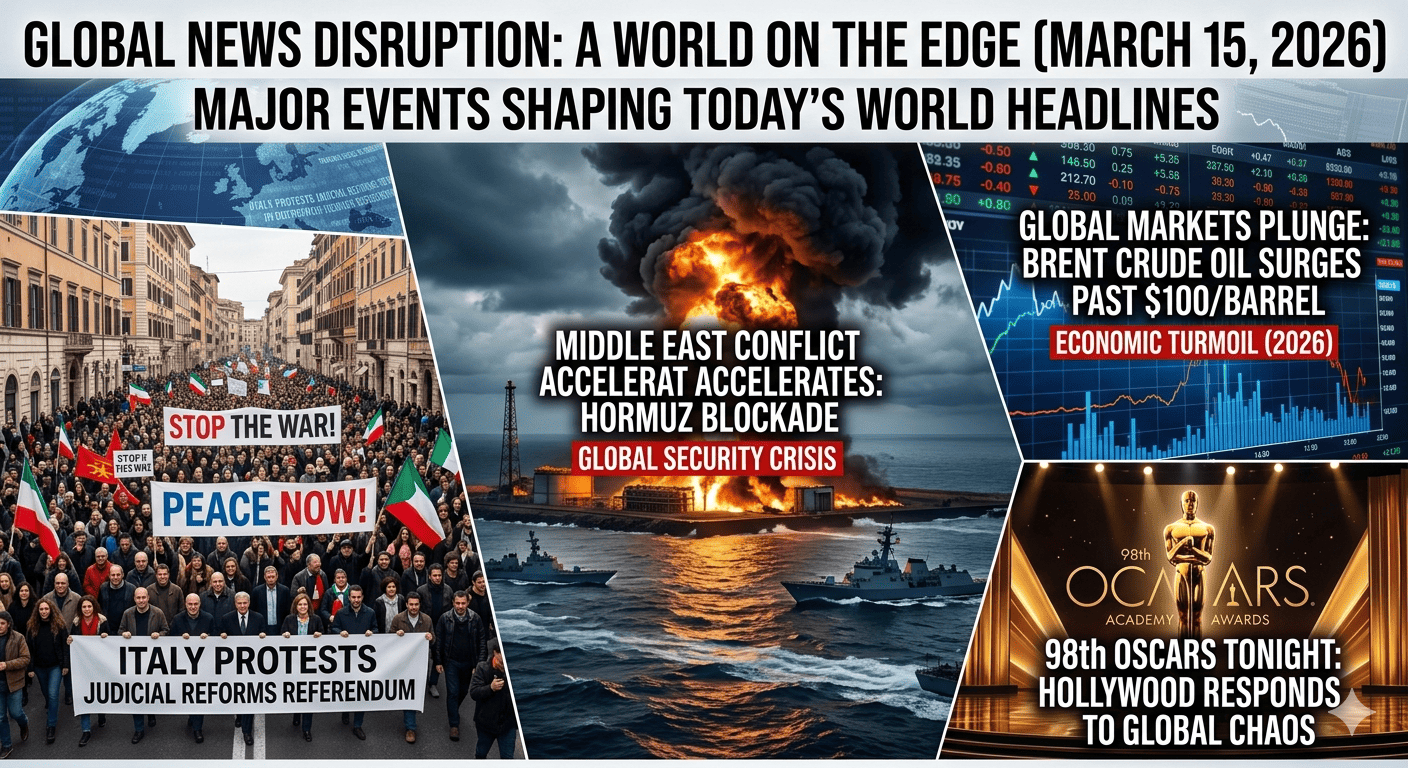
The global business environment in 2026 is evolving rapidly due to technological innovation, geopolitical tensions, and changing economic policies. From artificial intelligence investments and volatile stock markets to rising oil prices and international trade agreements, several developments are shaping the future of global markets. Understanding the latest business news and global market trends in 2026 helps investors, entrepreneurs, and businesses make better financial decisions.
Global Economic Growth Outlook in 2026
Economists expect moderate but steady growth in the global economy this year. According to international economic forecasts, global GDP growth is projected to remain around 3% in 2026, reflecting stable but cautious economic expansion.
Growth is supported by continued technological investment, government spending, and improving financial conditions. However, experts warn that geopolitical tensions, high debt levels, and trade fragmentation could create economic risks for businesses worldwide.
Major economies like the United States and India are expected to drive much of this growth, while Europe and some developing markets may experience slower expansion.
Artificial Intelligence Driving Business Innovation
One of the biggest business trends in 2026 is the rapid adoption of Artificial Intelligence (AI) across industries. Companies are investing heavily in AI infrastructure, data centers, and automation tools to improve productivity and reduce operational costs.
According to global finance reports, AI investment has become a key driver of economic growth and business innovation across sectors such as finance, healthcare, and manufacturing.
However, some analysts warn that the huge investment in AI infrastructure could create financial risks if expectations about the technology’s growth are too optimistic.
Despite these concerns, AI remains one of the most powerful forces shaping the modern global economy.
Stock Market Volatility and Investor Sentiment
Global stock markets in 2026 have experienced significant volatility due to geopolitical tensions, rising oil prices, and technology sector uncertainty.
A major example occurred when U.S. stock markets experienced a sharp decline in January 2026 after new tariff threats created investor uncertainty.
Technology companies remain major drivers of market performance, but heavy spending on AI development has pressured the stocks of several large tech firms.
Investors are therefore focusing more on diversified portfolios and safer assets to manage financial risk.
Rising Oil Prices and Energy Market Impact
Energy markets are another major factor influencing global business trends in 2026. Ongoing geopolitical conflicts have disrupted oil supply routes and pushed oil prices higher.
In particular, tensions in the Middle East and disruptions in key shipping routes have caused oil prices to rise significantly, impacting transportation costs and inflation worldwide.
Recent market reports show oil prices approaching $100 per barrel, contributing to uncertainty in global financial markets.
Higher energy costs affect nearly every industry, from manufacturing and logistics to aviation and agriculture.
Global Trade and International Business Agreements
International trade policies are also shaping global markets in 2026. Governments are negotiating new trade agreements to strengthen economic cooperation and support business growth.
For example, a major free trade agreement between India and the European Union aims to reduce tariffs on more than 90% of goods and expand market access for businesses on both sides.
These agreements can boost global trade, increase foreign investment, and create new opportunities for international businesses.
Technology Supply Chains and Semiconductor Demand
The global technology sector is facing supply challenges due to rising demand for semiconductor chips used in AI systems, smartphones, and data centers.
Industry analysts report that demand for high-performance memory chips and computing hardware has surged, causing shortages and increasing production costs for electronics manufacturers.
These supply chain challenges could impact the prices of consumer electronics, vehicles, and industrial equipment in the coming years.
Gold and Safe-Haven Investments
During times of economic uncertainty, investors often turn to safe-haven assets such as gold. In recent years, gold prices have surged significantly as investors seek protection against inflation and geopolitical risk.
Financial analysts believe that precious metals will remain an important investment option in 2026 as markets continue to face economic and political uncertainty.
The Future of Global Markets
Looking ahead, several key trends are expected to shape the global business landscape:
- Continued investment in AI and automation technologies
- Expansion of digital economies and fintech services
- Growing importance of renewable energy markets
- Increasing competition between global economic powers
- Greater focus on supply chain resilience
Businesses that adapt to these trends will likely gain a competitive advantage in the evolving global economy.
Conclusion
The latest business news and global market trends in 2026 show a world economy that is both resilient and uncertain. While technological innovation, especially in artificial intelligence, is creating new opportunities for growth, geopolitical tensions, rising energy prices, and financial market volatility continue to present challenges.
For investors, entrepreneurs, and companies, staying informed about global economic trends is essential for making smart business decisions in an increasingly interconnected world.